
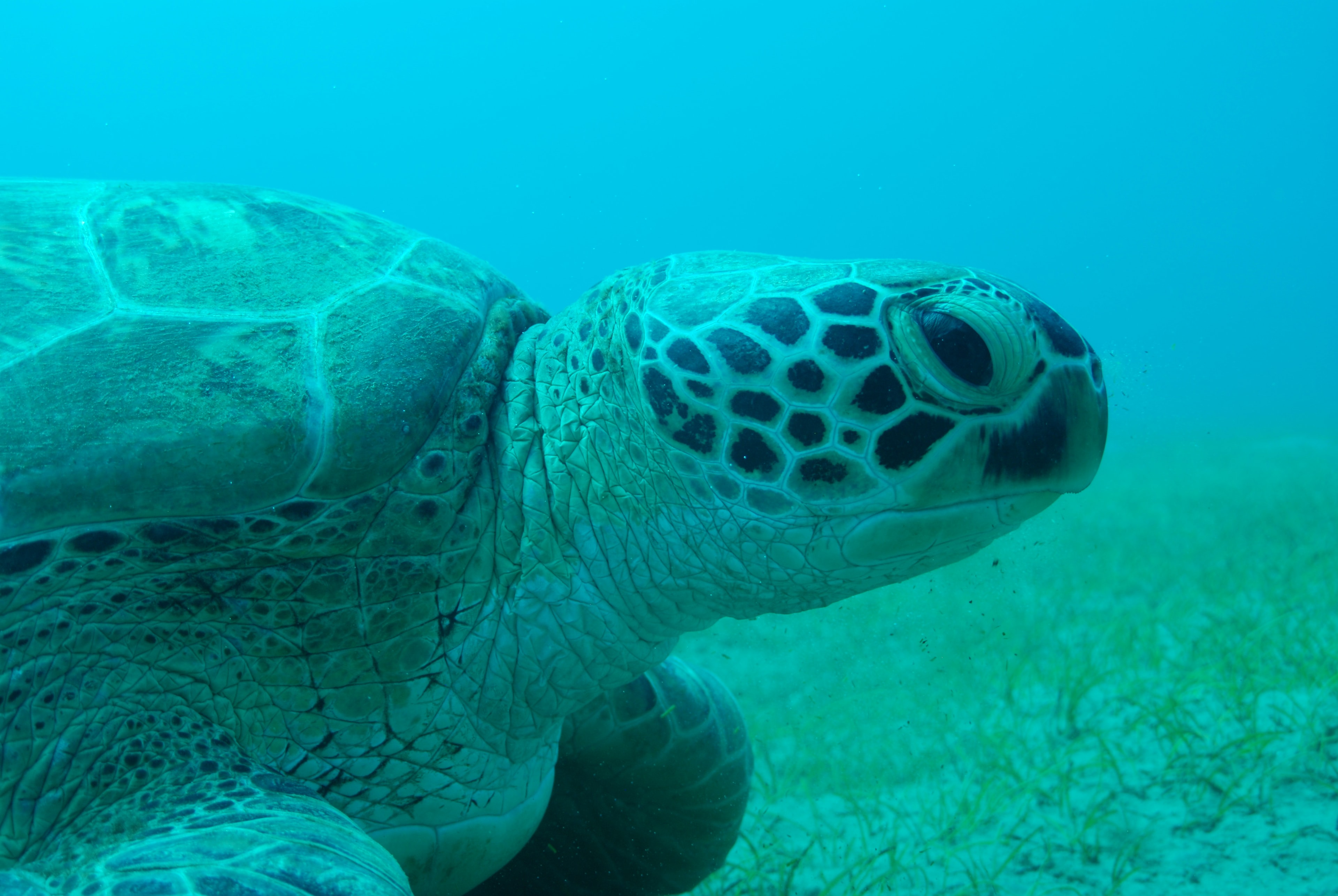
From cold Atlantic waters to tropical seas, deep-ocean research to marine plastic investigations, Rowan Byrne reflects on more than three decades spent studying, photographing and working with the extraordinary creatures and ecosystems of our oceans.
"The marine environment constantly gives you information. The challenge is learning how to recognise it."
Where It Started
My professional journey began with marine and freshwater biology. Studying marine biology gave me the scientific foundation, but the real education came from getting outside.
Marine science is not something that can be fully understood from a classroom. You have to see the habitats. You have to work in difficult conditions. You have to learn how quickly weather can change.
You have to become comfortable with mud, cold water, rough seas, long days, equipment problems and the occasional complete lack of visibility. And you have to learn to observe.
That last part is probably one of the most important lessons I have learned. The marine environment constantly gives you information. The challenge is learning how to recognise it.
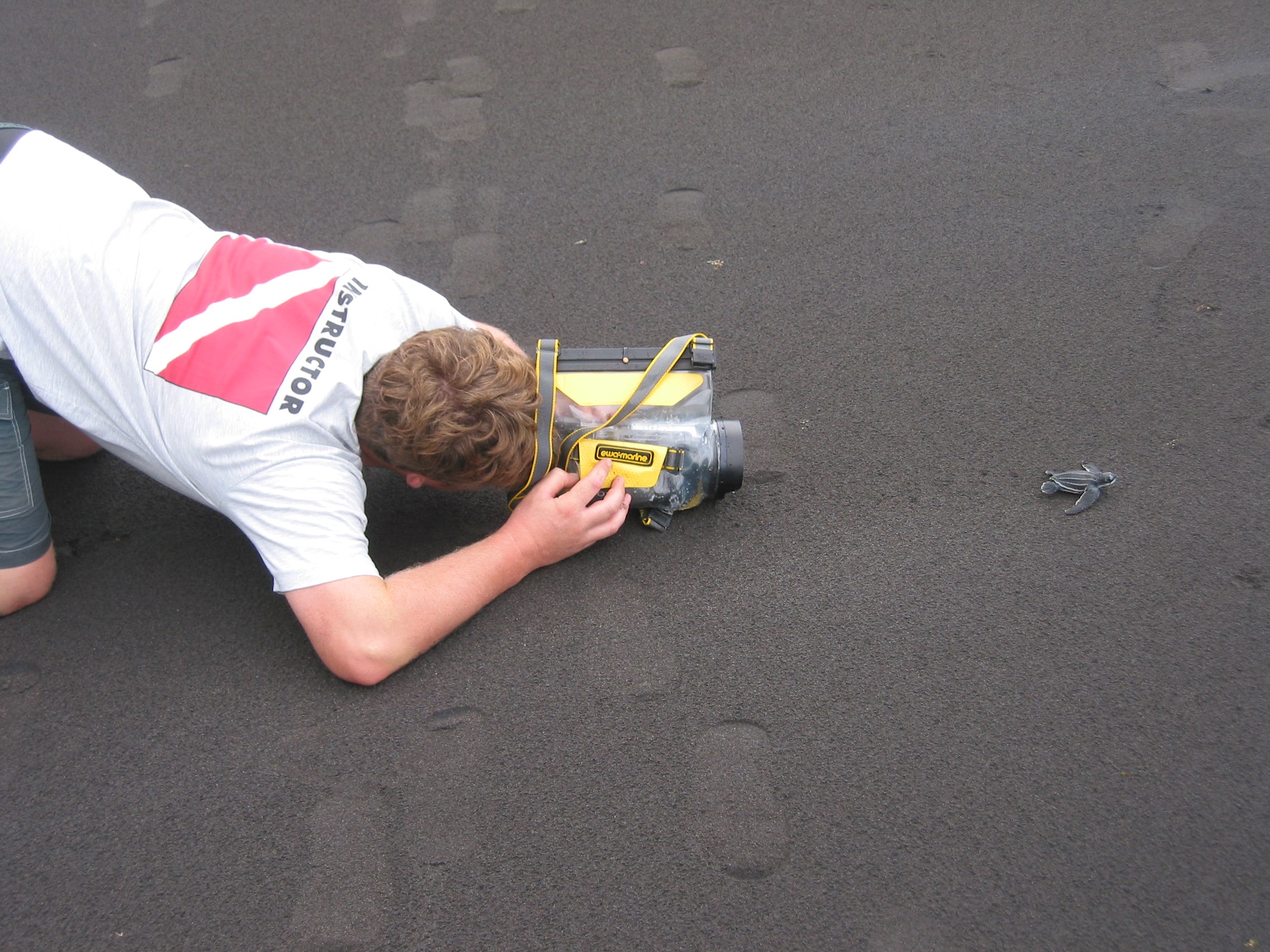
More Than 30 Years in Marine Science
Over more than three decades, my career has developed across marine and freshwater ecology, environmental assessment, conservation, marine monitoring and sustainability.
I have worked on projects ranging from relatively small coastal investigations to major international environmental programmes. The work has included marine fauna mitigation and monitoring, marine mammal observation, passive acoustic monitoring, offshore developments, intertidal surveys, habitat assessments, environmental impact assessment and marine licensing.
I have also worked increasingly at the point where science meets sustainability — marine plastics, biodiversity, blue carbon, nature-based solutions and the environmental challenges associated with offshore development.
The industries and technologies have changed. The fundamental question has not: How can we use the marine environment without losing what makes it valuable?
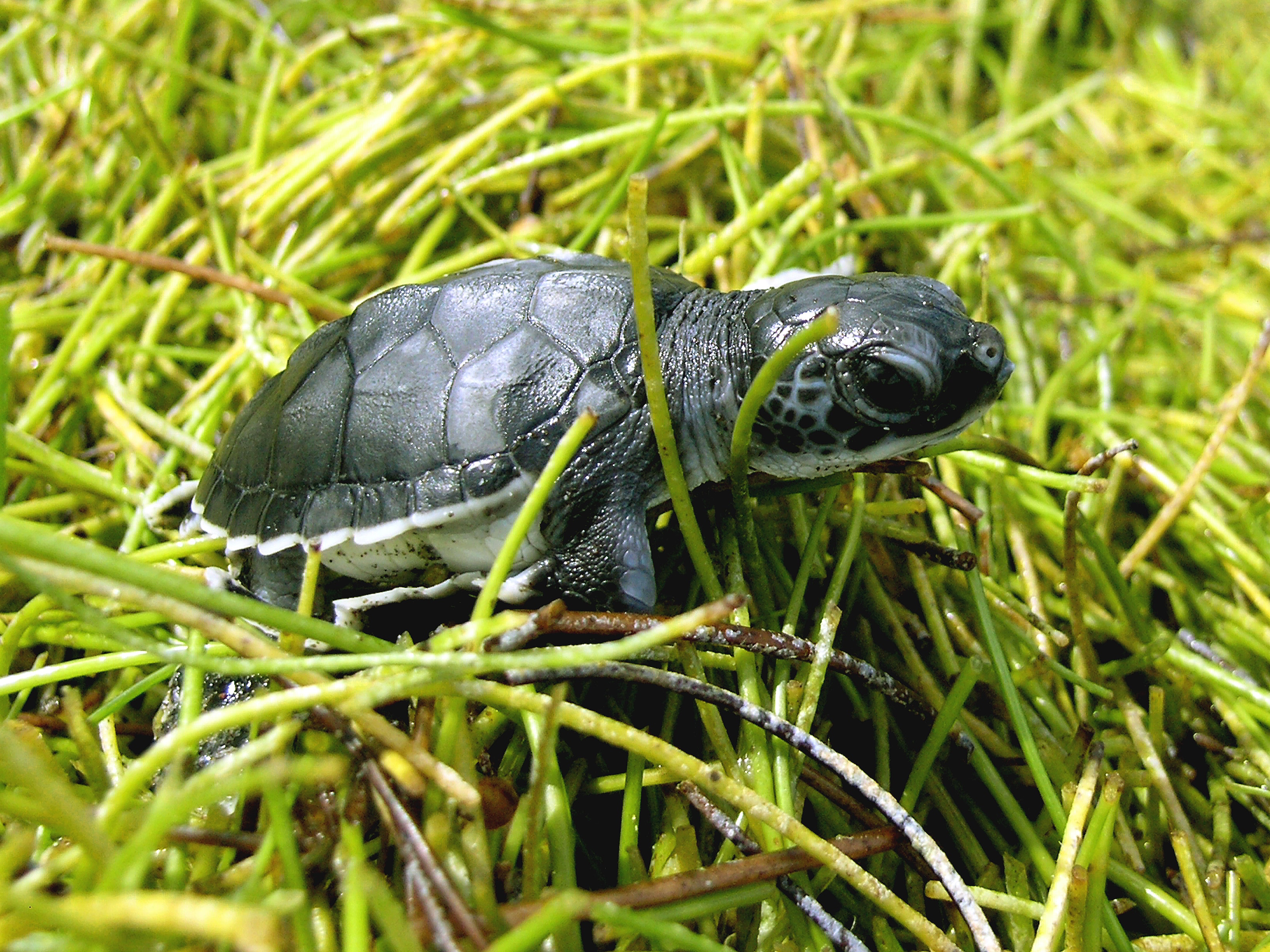
The World Became My Classroom
Marine biology has taken me far beyond the places where I first learned the subject. Over the years I have worked and travelled across numerous countries and marine environments.
Tropical waters demonstrate the extraordinary complexity of marine ecosystems. Cold northern and Atlantic waters show the resilience of life. Coastal habitats reveal the direct relationship between people and the sea. Remote expeditions show just how little of our planet we actually understand.
And sometimes a seemingly ordinary harbour, beach or rocky shoreline can produce the most interesting observations. I have learned not to judge a marine environment by what it looks like from above. There is nearly always more going on underneath.
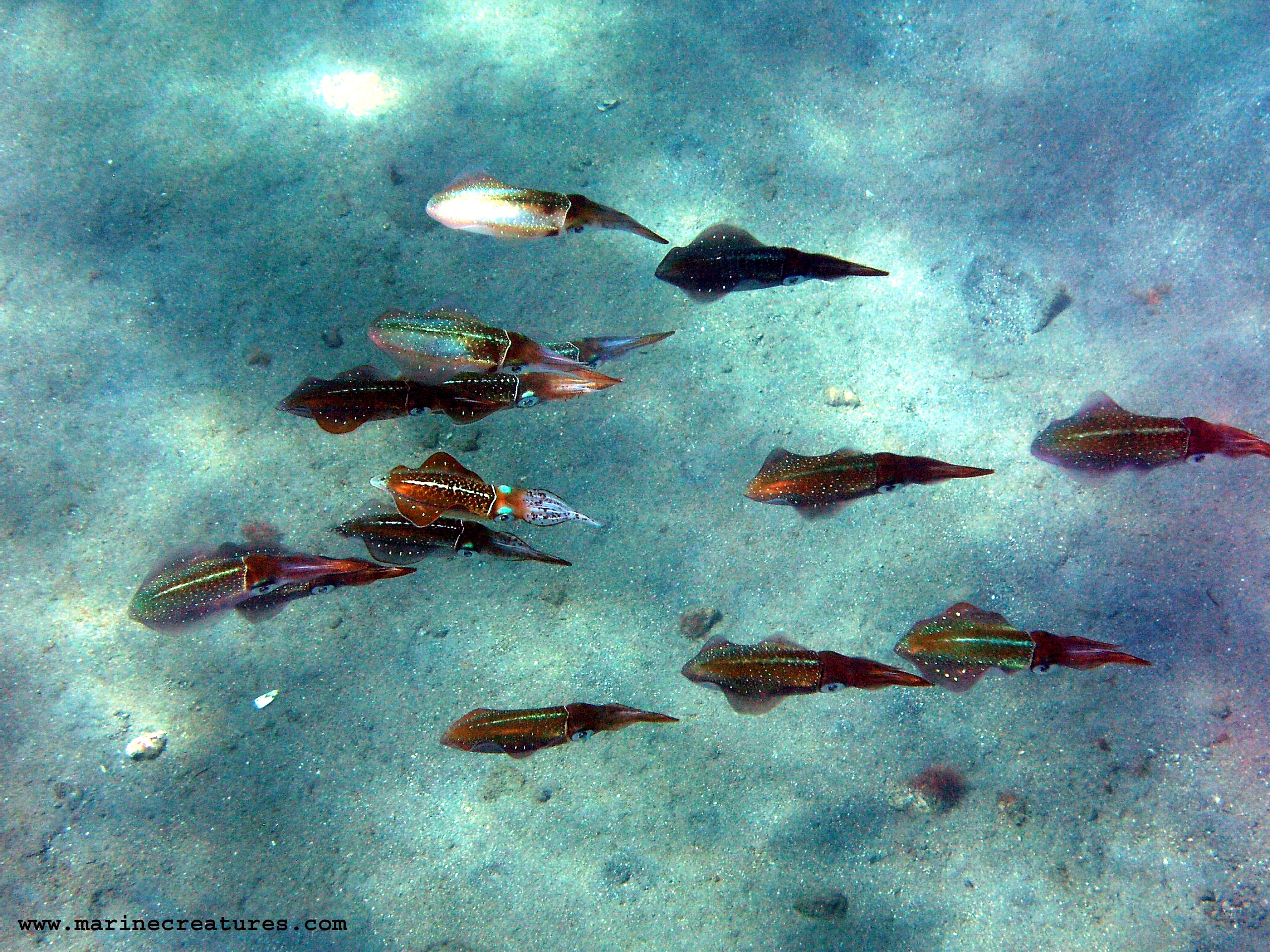
The Deep Ocean
Some of my most memorable professional experiences have involved deep-sea research. Working around deep-ocean science changes your perception of the planet. The ocean becomes darker. Pressure increases. Temperature changes. The organisms become increasingly specialised.
My involvement in deep-sea research included work examining the potential environmental implications of carbon capture and storage and the possible effects of CO₂ leakage on marine organisms.
It was an important reminder that environmental science often has to deal with uncertainty. We cannot always wait until every question has been answered. Instead, we have to examine the evidence, understand the risks, challenge assumptions and make responsible decisions based on the information available.
That is one of the things I value most about science. It teaches you to remain curious while being comfortable saying: We don't know yet.
The Animals
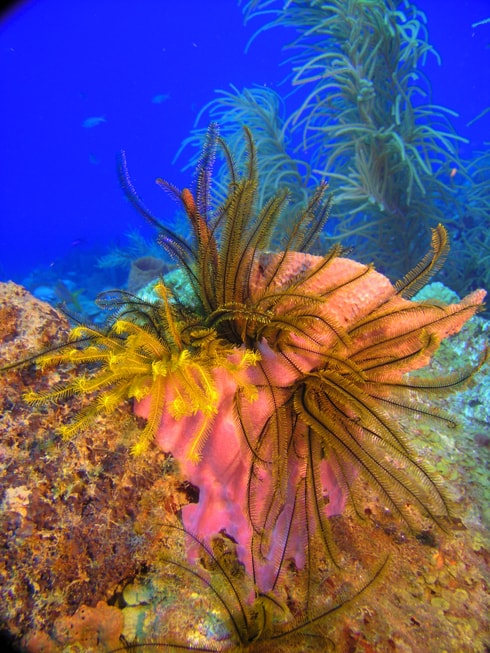
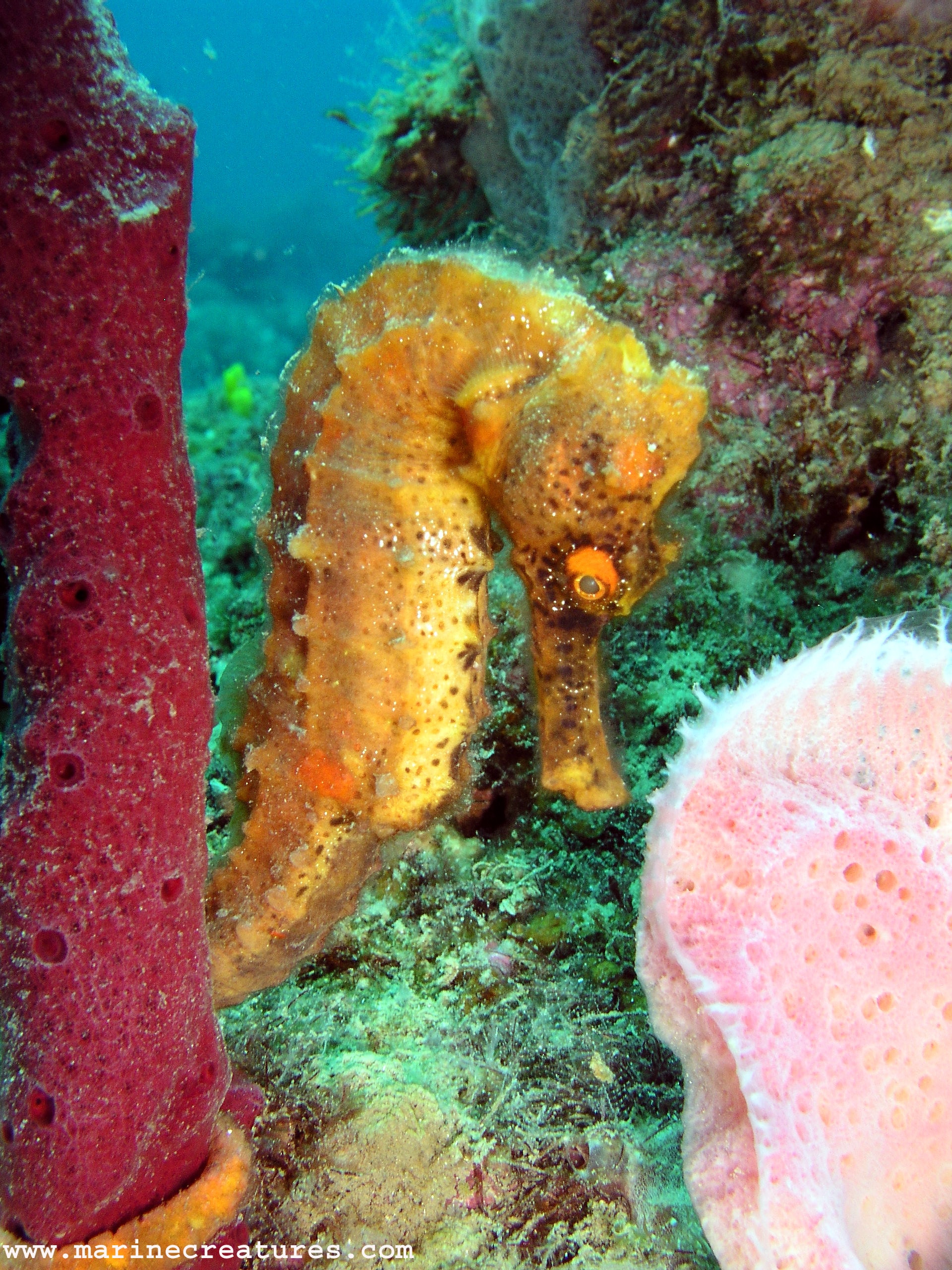
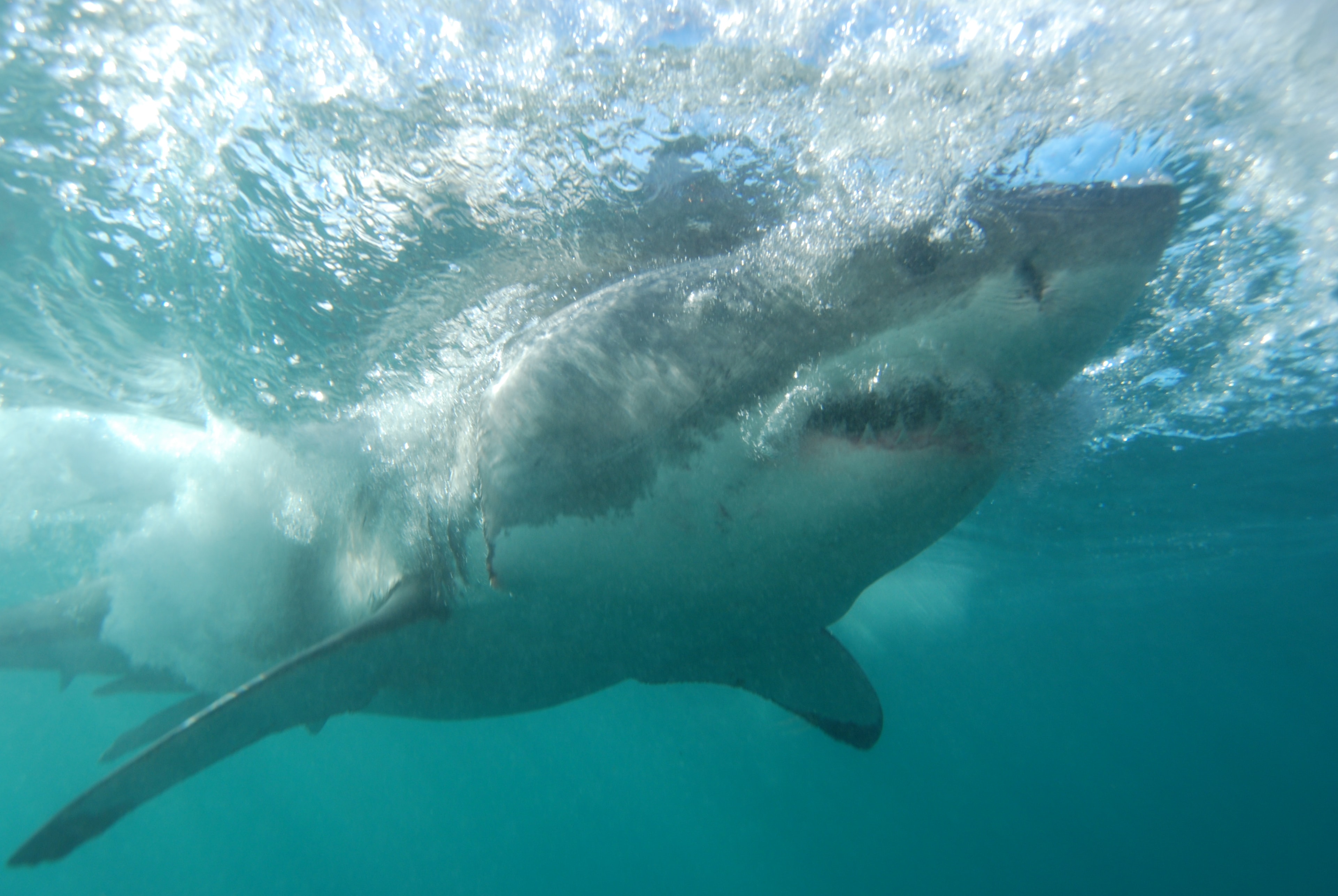
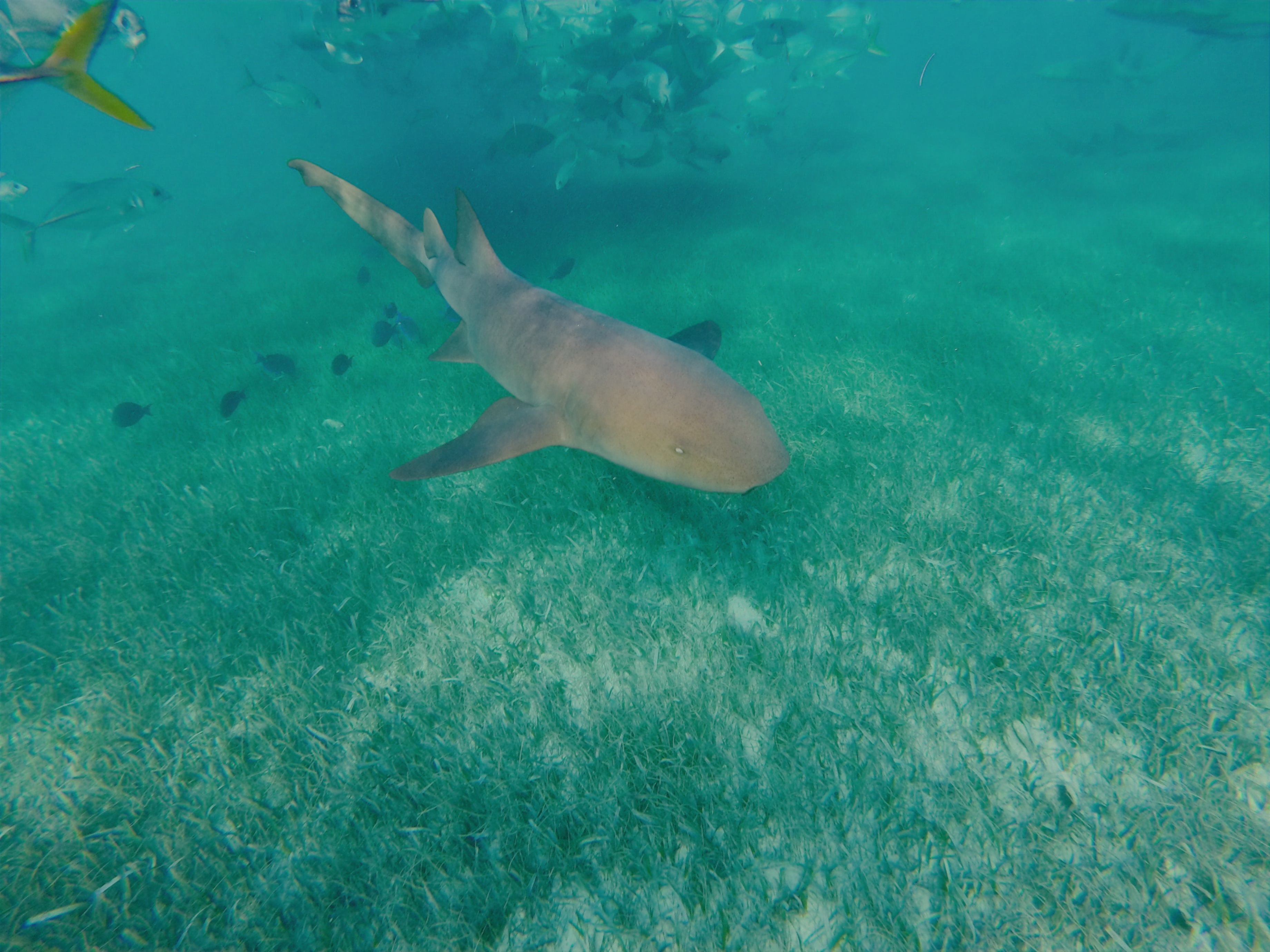
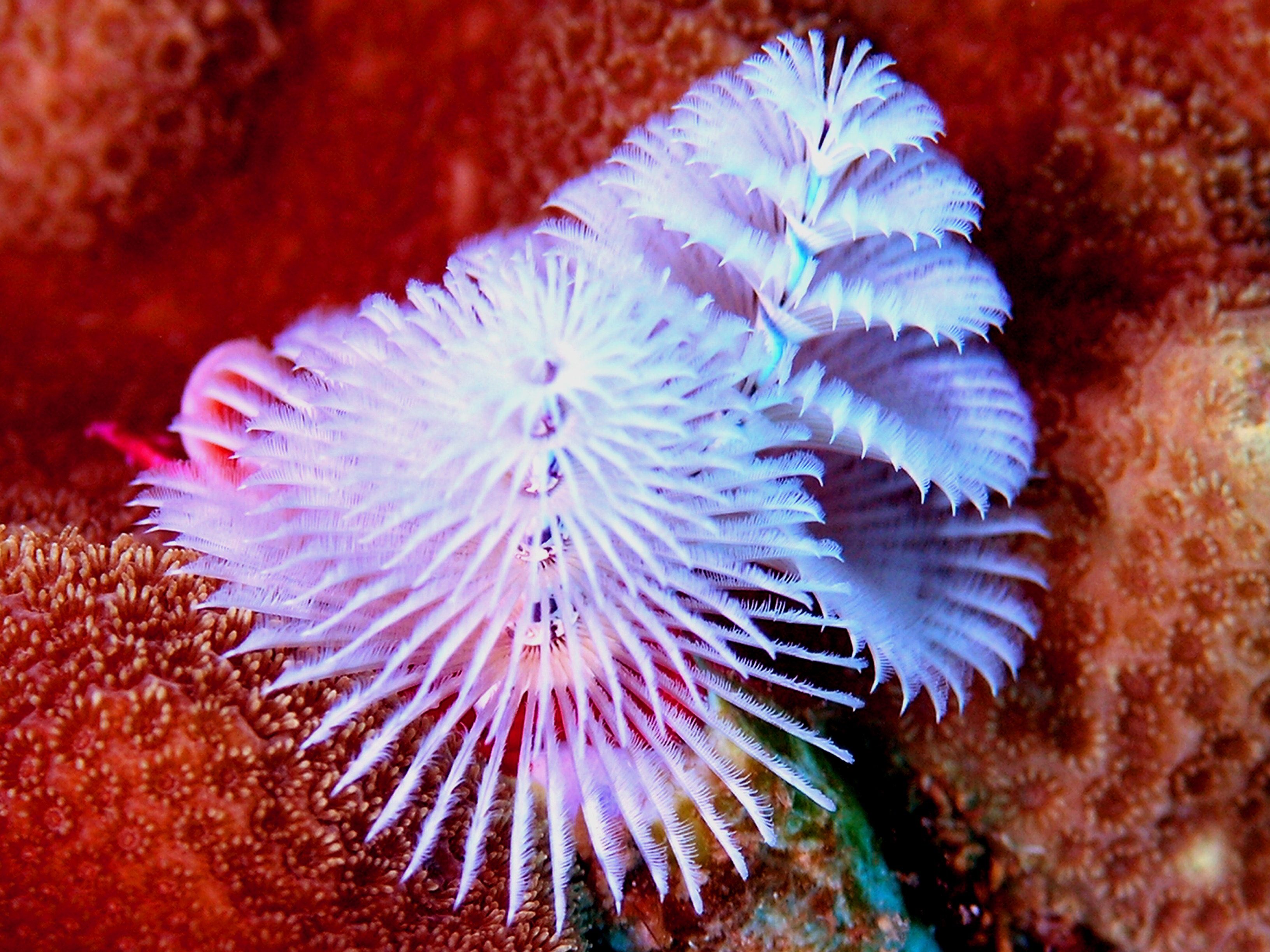
Of course, the animals are still one of the biggest reasons I love what I do. Sharks. Rays. Seahorses. Turtles. Dolphins. Seals. Octopuses. Fish. Crustaceans. Invertebrates. And thousands of smaller creatures that most people would never notice.
Some species immediately capture people's imagination. Others are almost invisible unless you know where to look. That is one reason photography became such an important part of my work.
A photograph can stop someone in their tracks. It can make them look at an animal they might otherwise ignore. And once somebody becomes interested in a creature, there is an opportunity to explain its biology, its habitat and the threats facing it. For me, photography and science have always worked well together.
A Life Behind the Camera
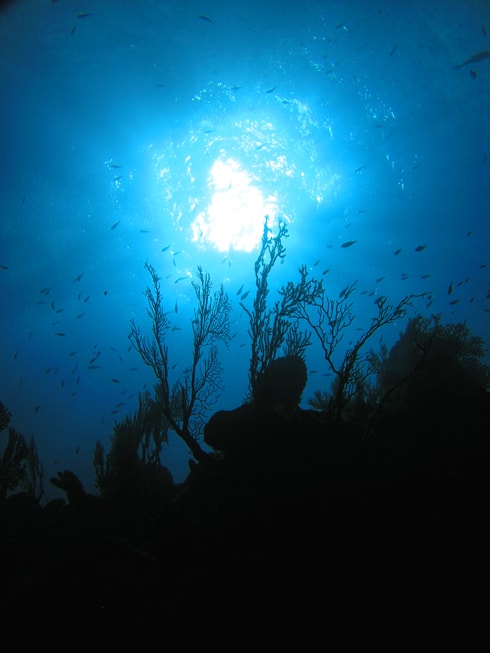
Over the years I have accumulated thousands of photographs of marine life, habitats, fieldwork and expeditions. Some photographs were taken for scientific reasons. Some document particular projects. Others exist simply because I was lucky enough to encounter something extraordinary.
I never really know which photographs will become important. Sometimes the technically perfect image is not the one that tells the best story. A photograph of a tiny creature in a difficult habitat can say more about marine ecology than a spectacular image of a famous species.
That is why I want MarineCreatures.com to contain not just photographs, but the stories and science behind them.
Marine Plastic Pollution
Another major part of my career has been marine plastic pollution. Plastic pollution is often presented as something that exists somewhere else. But spend enough time around the coast and you realise it is everywhere. Harbours. Beaches. Rock pools. Mudflats. Floating at sea.
My work has increasingly focused on the importance of monitoring rather than simply removing litter. Where did it come from? Why is it accumulating? What type of plastic is it? Does the quantity change over time? What are the pathways into the marine environment?
And most importantly: What can actually be done about it? Long-term evidence is much more useful than a single snapshot. That principle has shaped my work on marine plastics and sustainability.
Science Has to Work in the Real World
One of the biggest lessons from my career is that environmental science cannot exist in isolation. The ocean is an ecological system. It is also a working environment. People live beside it. People depend upon it. Ships use it. Ports operate within it. Energy infrastructure is being developed within it.
Good marine environmental work therefore requires more than knowing the biology. It requires understanding people, economics, engineering, regulation and practical reality. The objective should not simply be to say 'no'. It should be to understand the environmental consequences and find better ways of doing things.
That is where I believe marine ecology has real value.
From Research to Leadership
As my career developed, my role increasingly moved beyond individual field surveys. I have led projects, teams, tenders and multidisciplinary environmental programmes. I have worked with consultants, engineers, scientists, clients, regulators and stakeholders.
My experience has taught me that technical knowledge is important, but leadership matters just as much. A good technical solution is of little use if nobody can explain it. A brilliant scientific report is of little value if the decision-makers cannot understand it. And the best environmental outcome usually comes from bringing different disciplines together.
The Unexpected Adventures
A career in marine science can take you into some unexpected situations. I have worked on research vessels. I have spent time underwater. I have worked on coastlines in difficult conditions. I have been involved in international projects. I have worked around offshore developments.
And my marine career has even crossed into the world of film production, including experiences associated with the making of Pirates of the Caribbean in Dominica. That was certainly not something I imagined when I first started studying marine biology. But perhaps that is one of the best things about this career. You never quite know where it will take you.

Why I Created MarineCreatures.com
MarineCreatures.com is a record of that journey. It brings together the different sides of my career — marine biology, marine ecology, photography, fieldwork, expeditions, conservation, marine plastics, research, media and the stories behind the animals and places I have encountered.
I also want it to be useful. For students. For researchers. For divers. For photographers. For environmental professionals. For people who simply love marine life. And for anyone who has ever looked at the ocean and wondered what is happening beneath it.
The website is therefore not intended to be just a portfolio. It is becoming an archive of experiences, photographs, projects and observations accumulated over more than three decades.
What Comes Next
After more than 30 years, I still don't feel that I have finished learning. Far from it. There are still species I want to photograph. Places I want to explore. Questions I want to investigate. Environmental problems that need better solutions.
And new technologies that could completely change how we study the marine environment — drones, ROVs, passive acoustic monitoring, remote sensing, artificial intelligence, advanced imaging, new approaches to marine restoration and conservation.
The tools are changing quickly. But the principle remains remarkably simple: look carefully, ask questions, collect evidence, challenge assumptions, and respect the environment you are studying.
The Final Word
I have spent more than three decades looking beneath the surface. I have seen extraordinary animals. I have worked in some remarkable places. I have witnessed environmental problems become impossible to ignore. I have seen how science can influence decisions. And I have learned that the ocean is still capable of surprising me.
That is probably why I continue to go back. Because every time I enter the water, start a survey, board a research vessel or pick up a camera, there is always the possibility of seeing something I have never seen before.
The ocean is still largely unexplored. There are still thousands of species we know little about. There are still habitats we barely understand. And there are still stories waiting to be told.

"After more than 30 years, I am still looking beneath the surface. And I suspect I will be for many years to come."
Rowan Byrne
Marine Biologist · Marine Ecologist · Environmental Scientist · Marine Photographer
Rowan Byrne has more than 30 years of experience in marine and freshwater ecology, environmental assessment, conservation, marine monitoring and sustainability. He has worked on projects ranging from coastal investigations to major international environmental programmes, and has led multidisciplinary teams across marine science, offshore development and marine plastics research.
Read more about Rowan →Follow the Journey
Marine life · Expeditions · Photography · Fieldwork · Conservation
Join the MarineCreatures community
Receive occasional marine biology news, new photography, species stories, conservation updates, new releases and selected offers from Rowan Byrne.
No spam. Unsubscribe at any time. Your data is handled in accordance with our privacy policy.